If you’ve ever opened TikTok or Instagram on a Sunday Morning and suddenly felt the urge to get your life together, you’re not alone. What starts as a quick scroll down your “For You Page” can quickly snowball into watching video after video of perfectly curated influencer routines. You might see freshly cleaned rooms with wrinkle-free bedding and matching pillows, elaborate skincare regimens, an iced matcha in aesthetically designed glasses, or a perfectly planned to-do list for the upcoming week outlining tasks to be done in preparation. Sunday resets have become a trending phenomenon, creating more pressure to do more in preparation for the upcoming week and setting unrealistic expectations for the average college student. As viewers engage with these videos, they may find them calming, yet also subconsciously internalize pressure to complete the same tasks within a day and adopt unrealistic expectations of what their lives should look like.
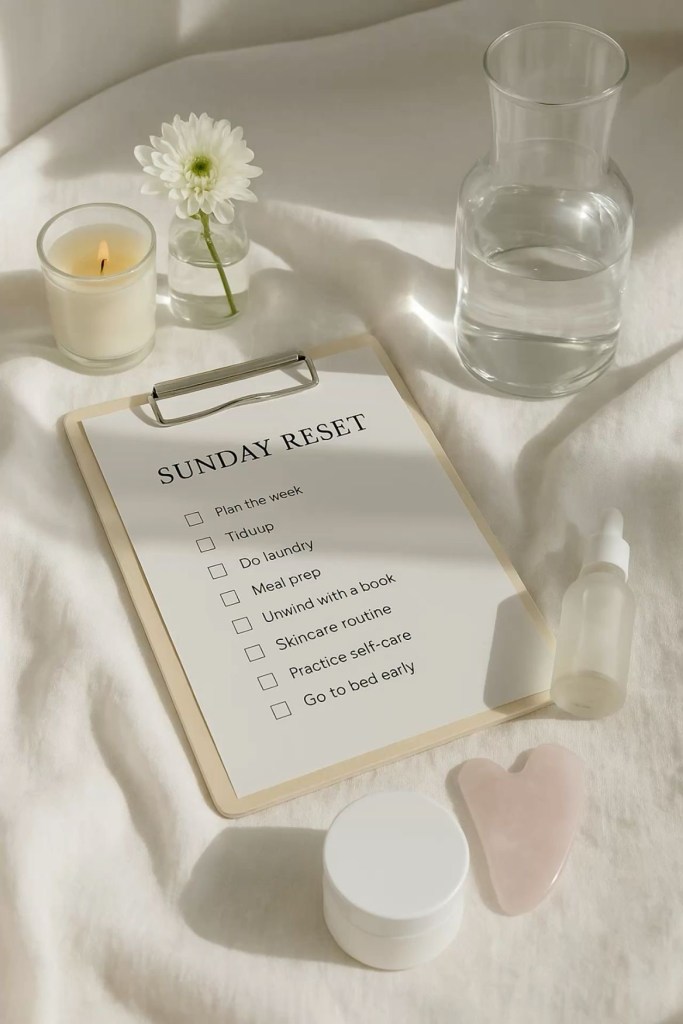
These types of short -form videos have taken over our feeds, showcasing a mix of productivity and self-care. As we watch these influencer “resets”, we subtly compare them to our own lack thereof. While they may appear to be simple lifestyle content, there is more happening beneath the surface. This trend has contributed to the inauthenticity surrounding the concept of what it means to be an influencer.
Through visually appealing content, the facade of “relatable” habits, and subtle product placements, these routines do not truly inspire viewers to replicate them— they instead influence consumers to purchase featured products while simultaneously creating pressure for the average person. What were once simple, mundane tasks have been transformed by social media, reshaping the meaning of productivity and giving rise to an unrealistic and unattainable lifestyle over time.
So, why are we addicted to watching this niche genre of videos when there is such an absence of reality?
For Gen- Z viewers such as myself, the “Sunday Reset” trend resonates so hard because it hits the holy trifecta of productivity, self-care, and aesthetic lifestyle content— all without feeling overwhelming due to it’s calming combination of visually appealing clips and carefully chosen audio. This draws us in as an audience, creating a sudden urge of motivation as we think, “Hey, if they can do it, so can I!” However, achieving this sense of accomplishment comes with potential downsides when attempting to replicate what these influencers have done. The average college student doesn’t have the luxury of dedicating an entire day to household tasks, a 10-step skincare routine, or purchasing overpriced groceries and meticulously organizing each item. In reality, we can often complete a portion of these activities while juggling the unpredictability that is life. Time and time again, these influencers live up to their title, as their content is primarily meant to be consumed rather than realistically replicated from a college student’s perspective.
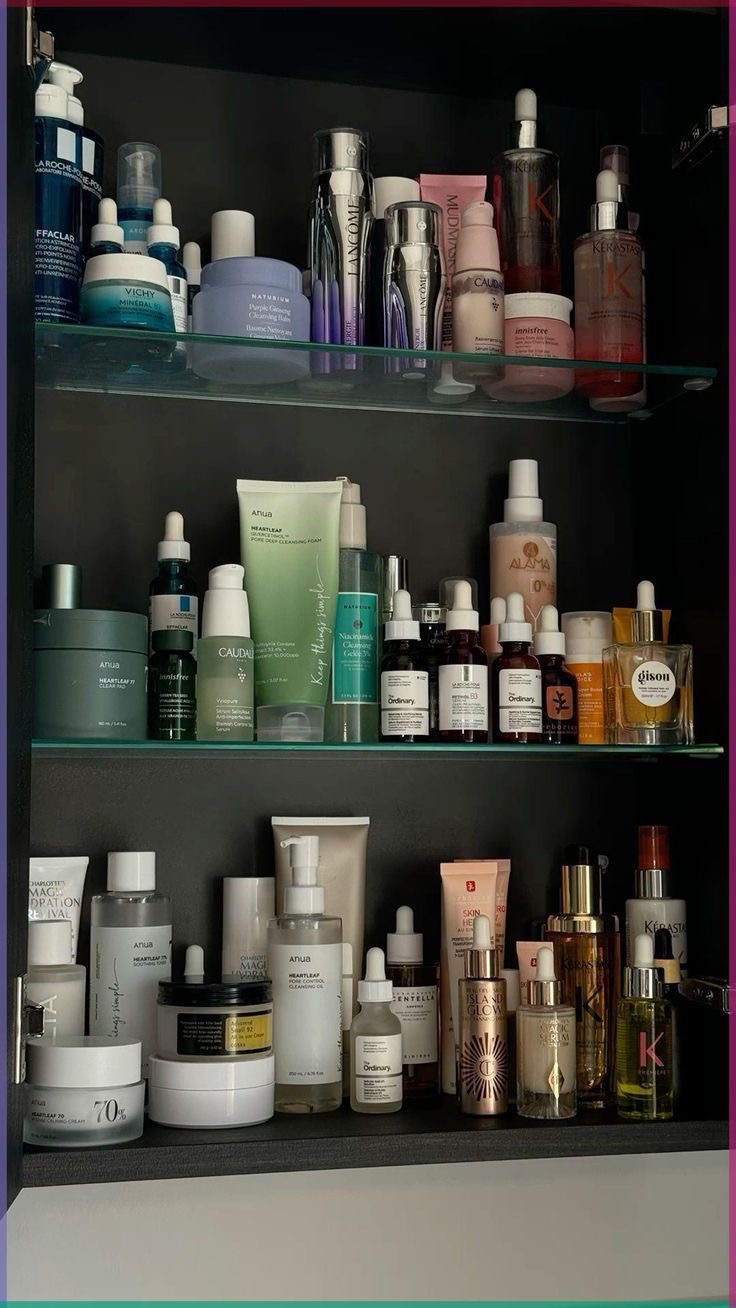
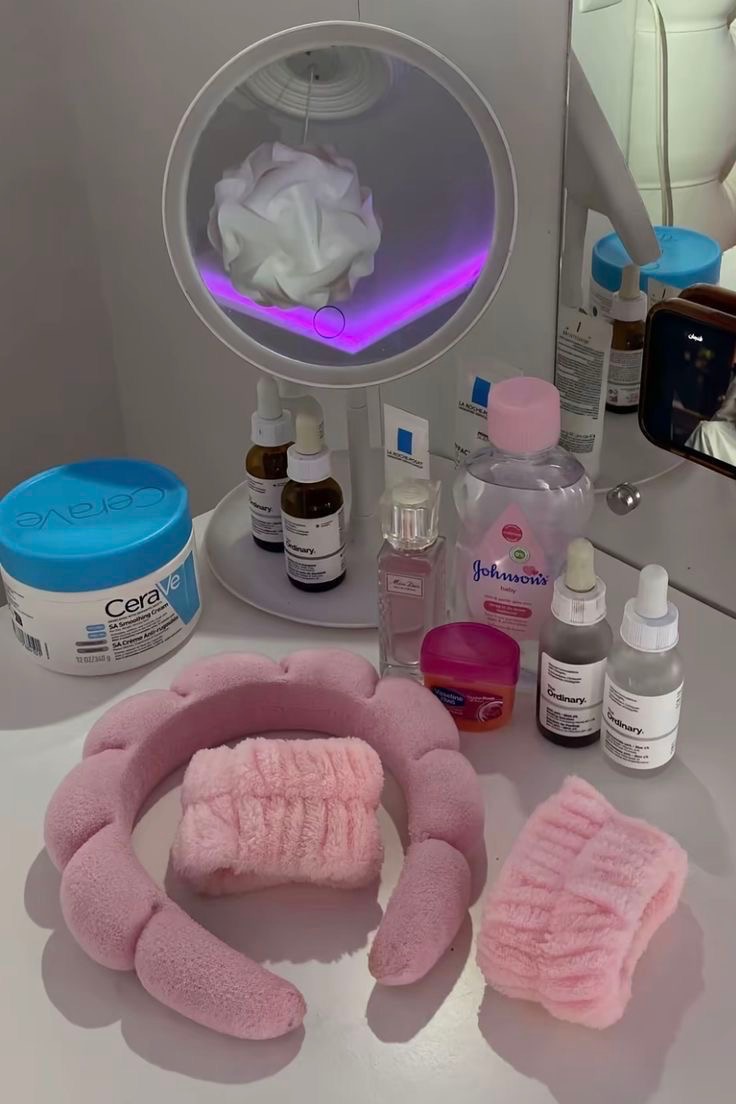
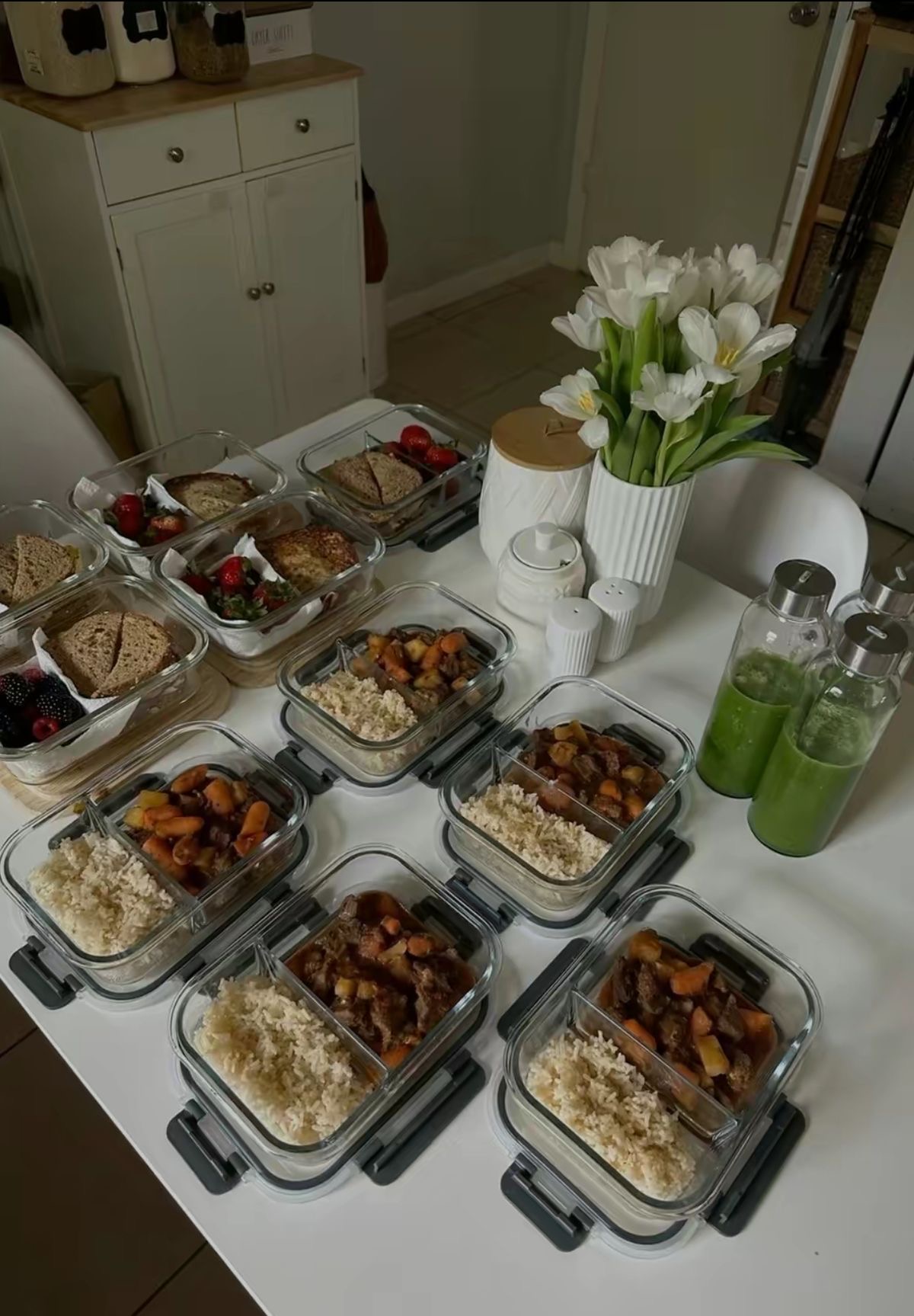
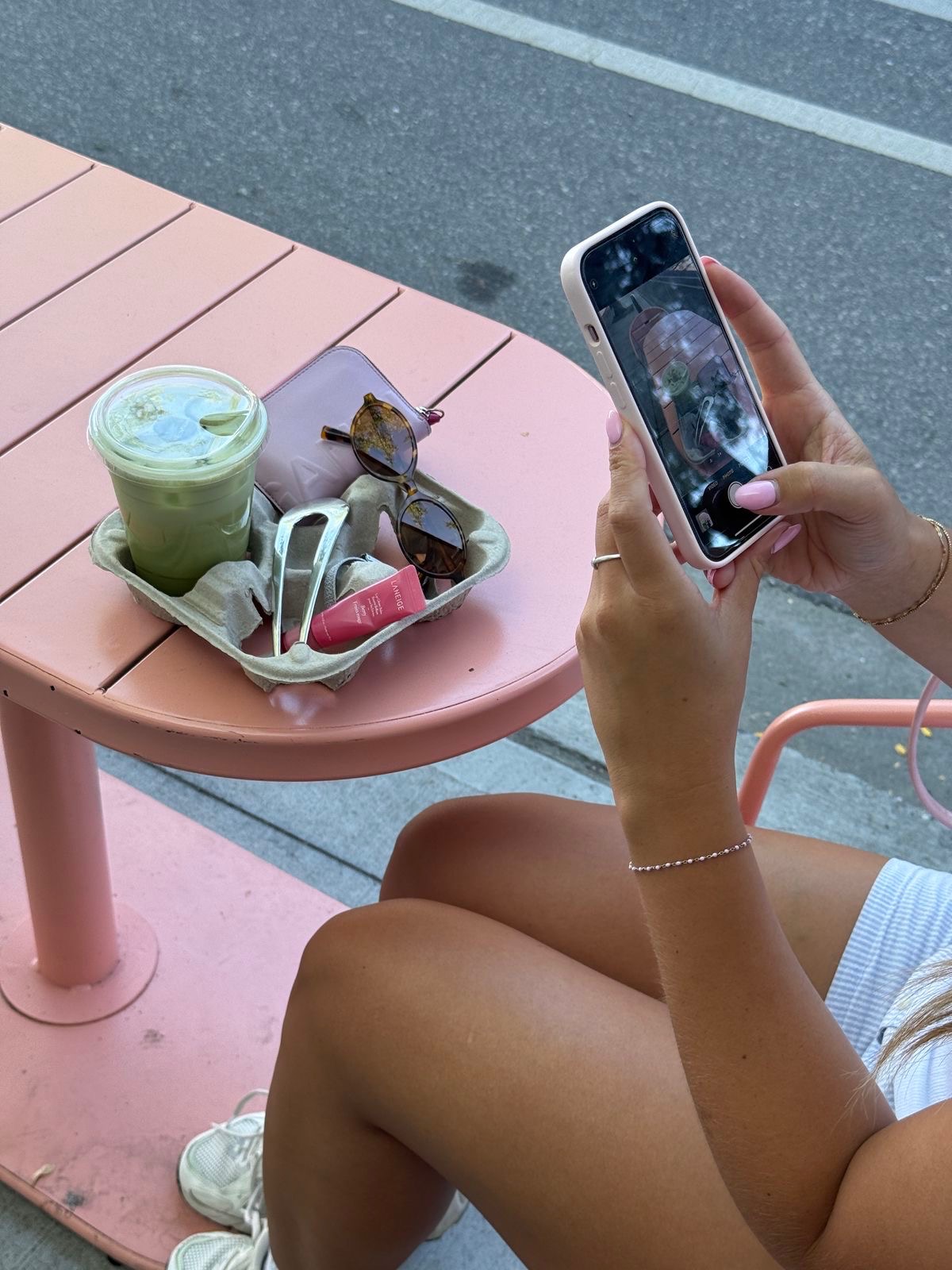
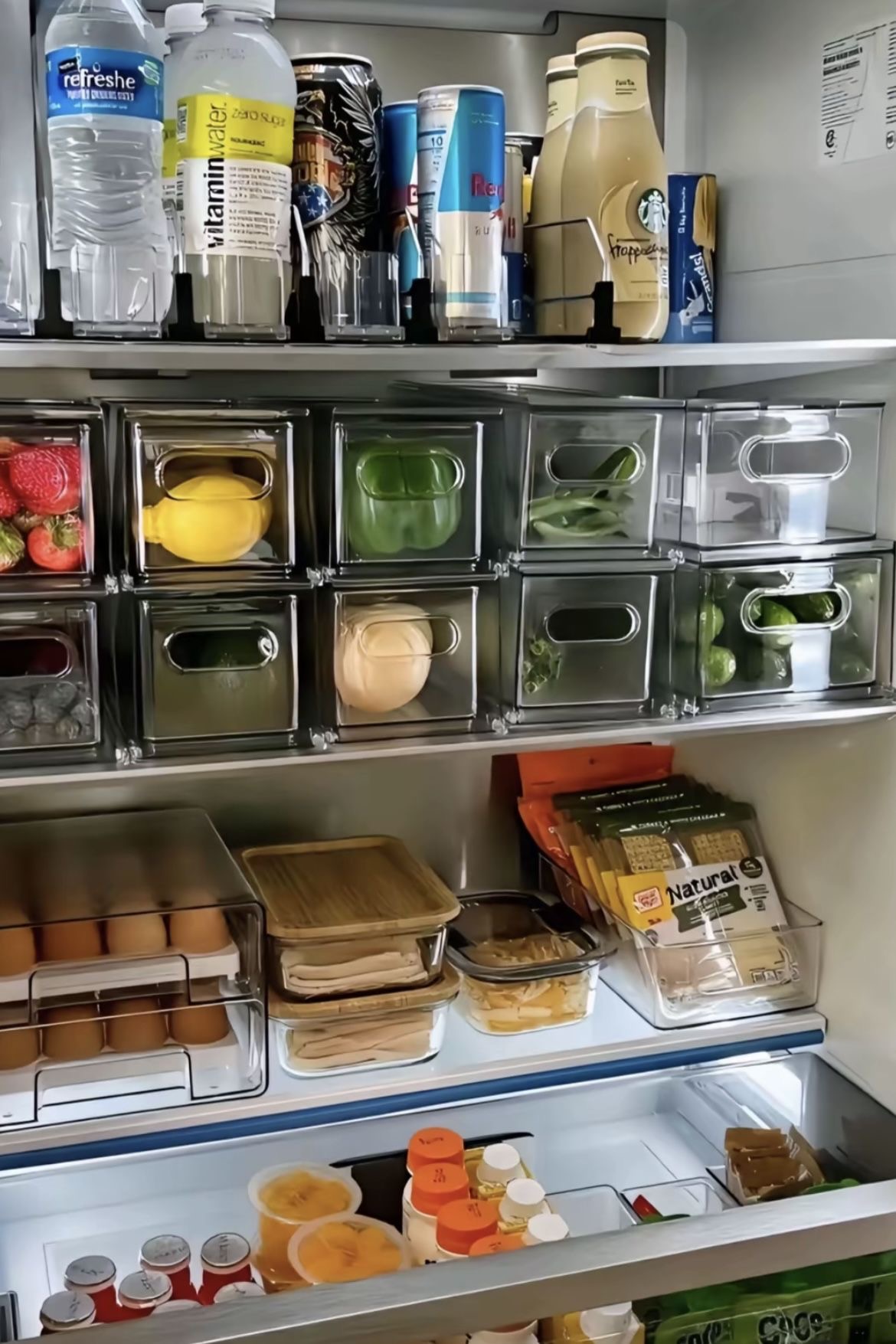
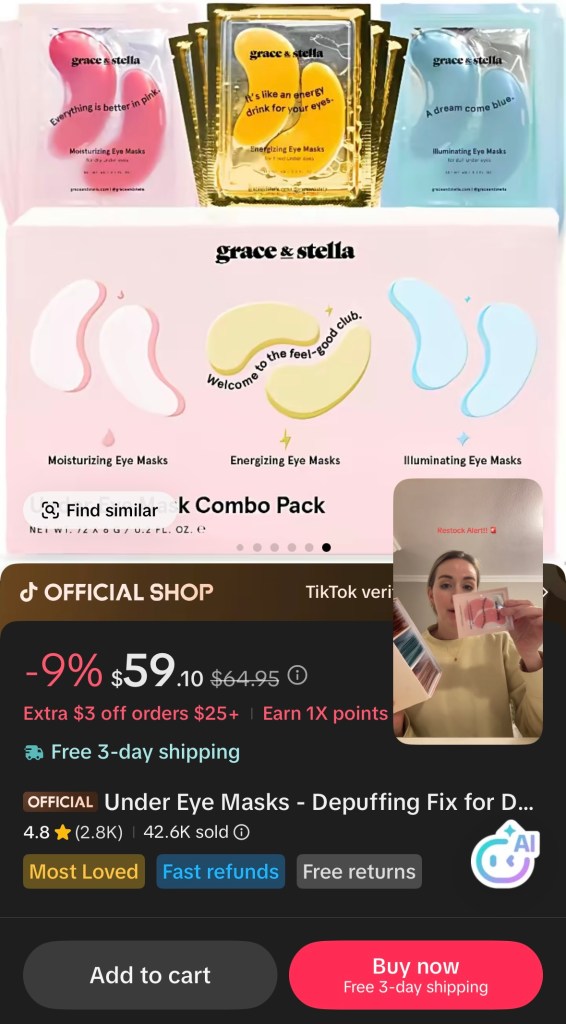
The real kicker of the “Sunday Reset” trend and its high performance on our feeds is the “soft selling” embedded through influencer-generated content and the products they subtly incorporate into their routines. I’ve fallen victim to a few of these products— such as skincare or household gadgets— because I was drawn watching them being used in real time, often paired with a trendy song playing in the background. That combination creates a powerful setup that encourages audiences to purchase without hesitation. It’s easy to see how absorbed we can become, especially given how accessible it is to buy the items featured in these videos. Much of this is driven by features like the TikTok Shop, where a simple tap allows you to continue watching a video while adding items to your cart. Instead of explicitly saying “buy this,” influencers seamlessly embed products into their routine, shifting the message from a clear promotion to something that feels like a natural part of their lives. Gen- Z viewers, who are often wary of traditional advertising, tend to distrust anything that feels overly promotional. As a result, soft selling comes across as more authentic and unscripted, reinforcing trust in the influencers they follow. This relationship- building between influencer and follower creates a domino effect, leading the follower to become a frequent consumer of the promoted brand.

To piggyback on the strong effects of “soft selling,” influencers carefully curate their image to align with their niche, aesthetic, and branding. They achieve this through neatly arranged products, cohesive color palettes, minimalist setups, and bright lighting. This visual clarity brings a sense of calm to a chaotic feed, encouraging viewers to stop and watch — often without realizing how much time has passed. Much of “Sunday Reset” content taps into these polished, effortless vibes such as glowing skin (as a result of an elaborate skincare routine), athlesuire outfits for casual outings like getting iced coffee, and ASMR-like clips cleaning and organizing their environment. All of these elements subtly communicate the idea that “this is what having your life together looks like.” That image is then perceived as both inspirational and attractive, while capturing the audience’s attention and keeps them coming back for more.
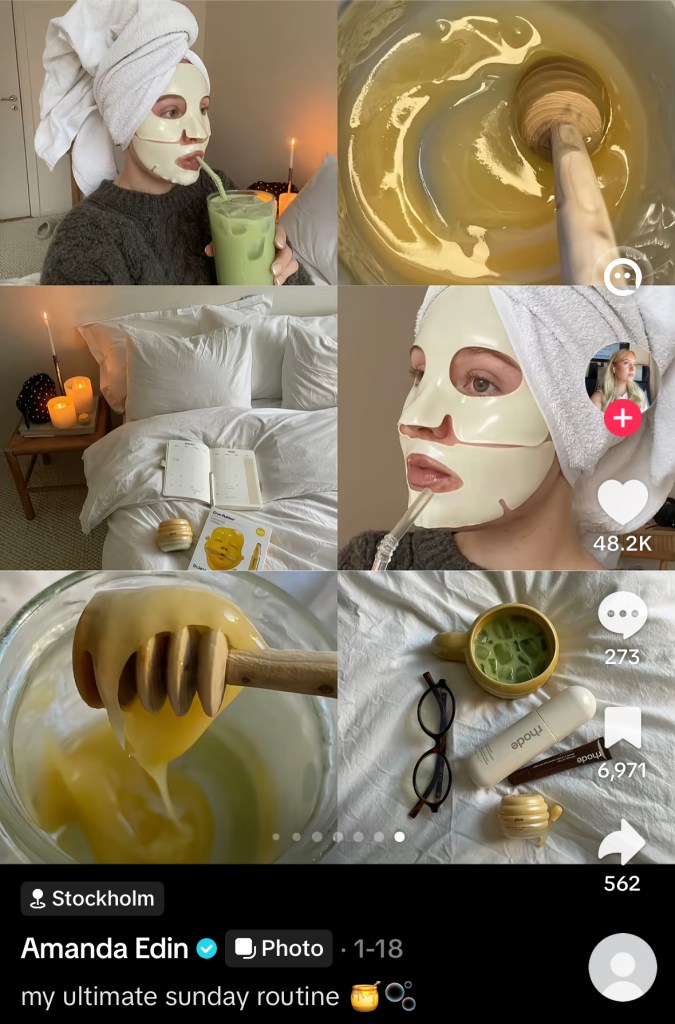
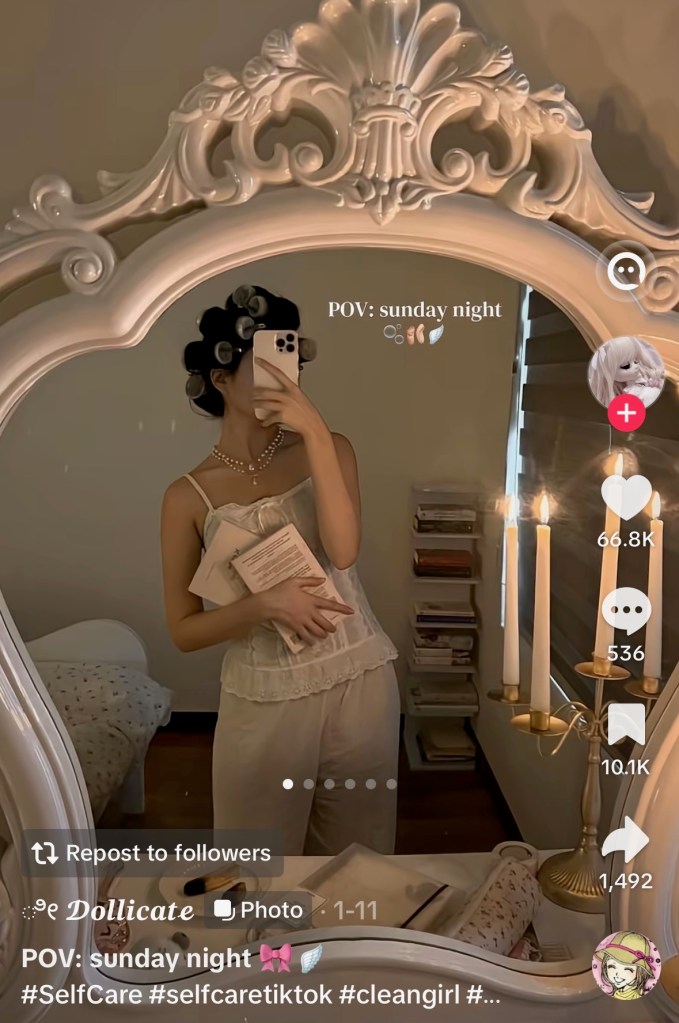
While “Sunday Reset” content is meant to feel calming and productive, it can also set an unspoken standard for what a “successful” day should look like. For majority of viewers, such as community college students, that standard isn’t realistic in a weekly basis. We have to manage our time carefully across multiple responsibilities— completing assignments, working shifts, and maintaining a social life. Instead of feeling motivated, some people end up experiencing guilt, telling themselves, “I didn’t do enough today” or “My life doesn’t look like that.”
This creates a harmful cycle in which content intended to inspire leads to comparison and self-doubt. These influencers “resets” function as highlight reels, presenting a highly curated version of their lives and creating a disconnect from reality. By turning self-care into performative tasks, they can make everyday activities feel like obligations tied to fitting into an idealized lifestyle. Before we know it, rest and relaxation becomes scheduled, and Sundays are filled with stress instead of serving as time to recharge. In this way, even “soft” productivity trends can add to the mental load rather than relieving it.
After posting an Instagram story questionnaire asking what typical Sundays look like for Gen-Z community college students, these were a few responses I had received.
“Grabbing a matcha, grocery shopping and finding somewhere to watch a sunset! This is what a Sunday of protecting my peace looks like,” said Julia Lopez, a former graduate of UCI.
Another contributor said “Bedrot,” which is a slang term for spending an extensive amount of time in bed— that involves scrolling on your phone, watching shows, or simply doing nothing.
Valeria Montes, a community college student attending Ventura College stated how “spending time with relatives,” is a typical Sunday activity she stresses the importance of.
“Going to the gym, [walking my] dogs, [hanging] out with friends,” was another response submitted by Grace Pacheco, a former graduate of SDSU.
At the end of the day, the “Sunday Reset” craze reflects exactly what it is: simply a trend that will pass as the next big thing emerges. As community college students, we can navigate this tone-deaf phenomena by recognizing its disconnect from reality. We understand that influencers spend hours curating these videos and are not authentically portraying what their lives actually look like. Instead of striving for perfection, the concept of a “reset’ should be tailored to our lives— focusing on how we can take care of ourselves, mentally and physically, to the best of our abilities.
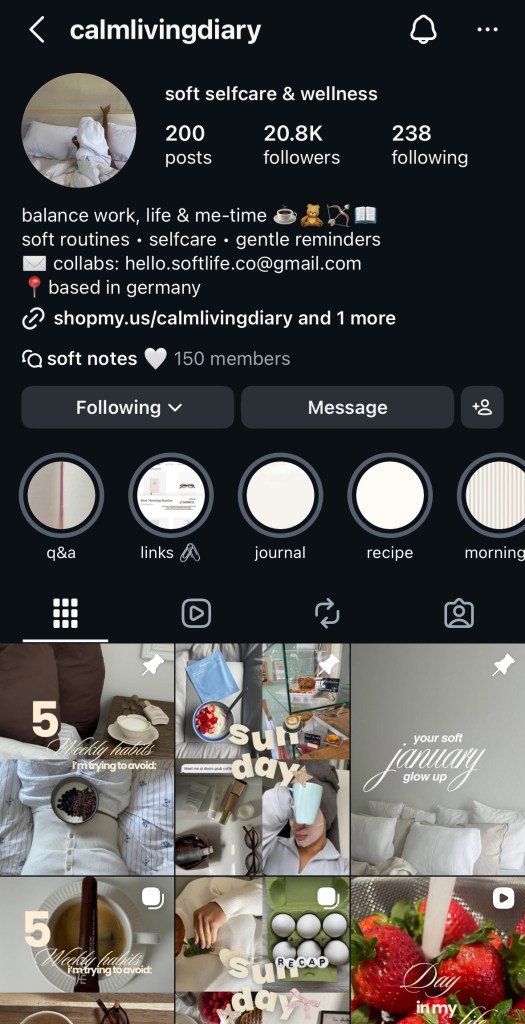
Check out https://www.instagram.com/calmlivingdiary?igsh=NTc4MTIwNjQ2YQ== for a fresh perspective of realistic self-care, reminders for when you need it most, and viewing content that will inspire you to live softly under your own terms 🙂
I decided to give this trend a try and created a TikTok for what a Sunday looks like in my life, filmed clips of the activities I had done, while putting my own flare to the music choice and how I edited it as something others can say “Hey, my days kind of look like that too!”
Next time Sunday rolls around and you find yourself struggling to do a couple errands, household chores, or getting on track before the new week arrives, here’s a playlist to fuel those tasks you’ve been putting off!