
What We Know
Here’s a hard truth; In this day and age, almost everyone- if not struggling themself, knows someone that is struggling.
10 years ago, mental health was talked about a fraction of the amount it is talked about now. It has become a bigger conversation than ever, especially for students. Between school, work, relationships, the pressure to “have it all figured out”, and just trying to be a decent person, it’s easy to feel overwhelmed and even isolated.
But one thing keeps coming up in these conversations: community matters.
The term “community” can mean a lot of things, so it’s important we define it before we start valuing it. Community is found in the people we spend time with, the spaces we feel comfortable in, and the interactions we have daily. And while many people think of community as a big, obvious display of connection (clubs, organizations, large groups), it can also be a lot simpler. For most students it can look like a friend you can talk to between classes, a local barista that knows your order, a phone call with someone you trust, or a teacher that checks in on you. Living in a small town, and especially one as warm as Ventura, most of these aren’t foreign concepts.
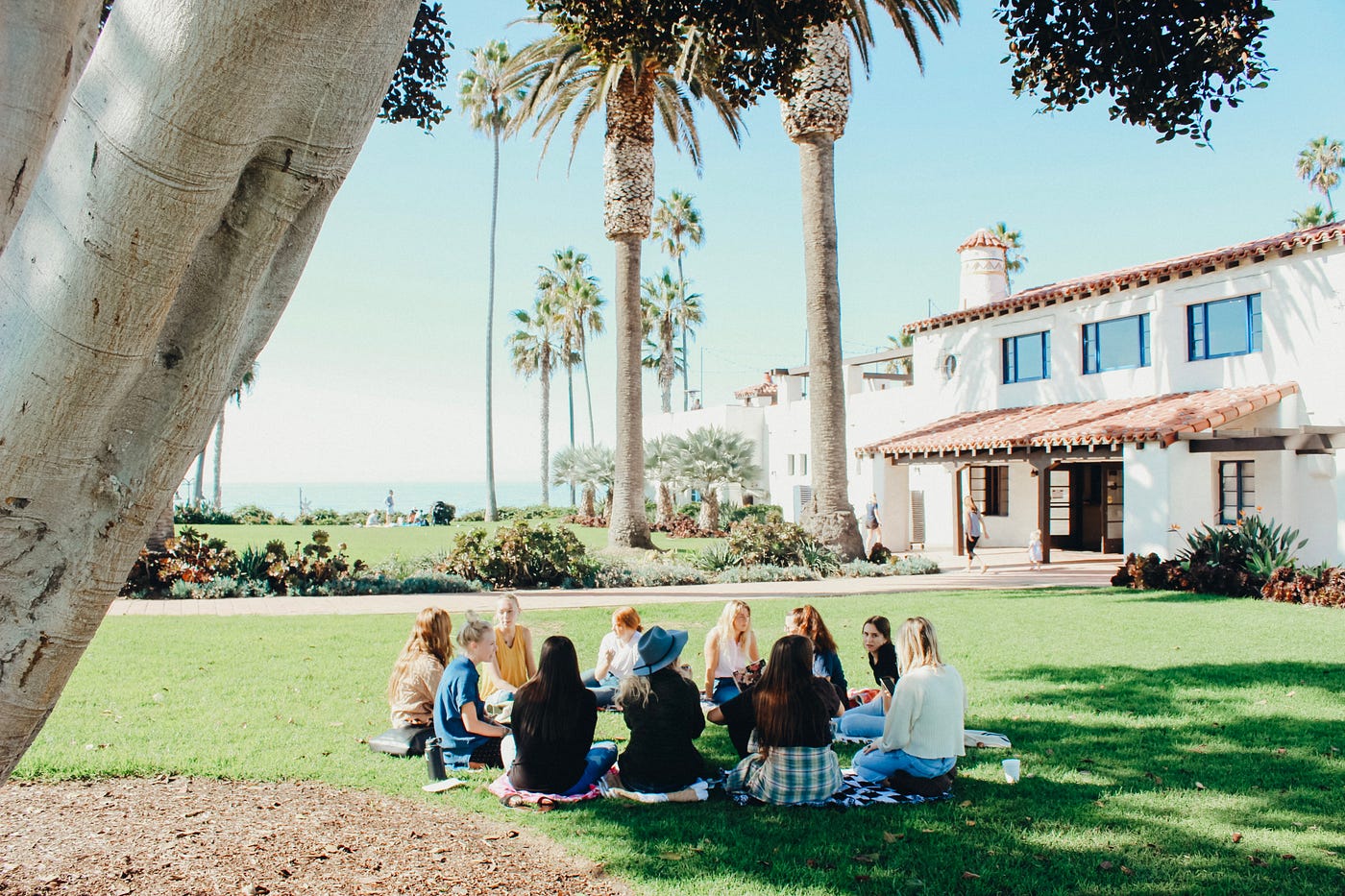
According to conversations with several Ventura College students, one of the hardest parts of struggling mentally isn’t always the stress itself, but it’s feeling like you have to deal with it alone.
I talked with a senior named Relle; she shared,
“I don’t think I realized how much I needed people until I stopped seeing them regularly.”
It’s a feeling that’s more common than we think.

While there isn’t a “twice daily pill” or quick fix to struggling with mental health, connection does make it more manageable. It is our human nature to need places where we can let loose, laugh, talk, and not feel like we’ll be voted out like “Survivor” for being ourselves.
Building real connection can start with small, consistent choices. Here’s some ways students are already doing it:
- Becoming a “regular” somewhere. Coffee shops, a study spot, walking around campus, showing up consistently creates familiarity, and with enough effort, connection.
- Invite. Be the first to reach out! If everyone always waited for someone else to include them, no one would be invited anywhere. Take the initiative, even if it’s scary, it’s better than not trying at all. Here are some suggestions from VC students,
“Do you want to grab coffee? Would you want to study together? Can I give you a ride somewhere?”
3. Put your phone down! (Sometimes) Most people’s phone is their digital implant- hardly ever leaves their hand. Feeling that someone cares enough about what you’re saying to give you their full attention doesn’t go unnoticed and means so much more than you think. Think back to any time you’ve been talking to someone that’s on their phone. I bet it still conjures up just as much frustration now as it did then. Now think back to a conversation you’ve had with someone that looked you in the eyes. I bet you felt much more listened to, much more cared for, and much closer to that person. Listening is how we build connection, and therefore, community.
4. Low pressure. If you feel that every interaction you have to have with a person has to be meaningful, deep, and groundbreaking, that can be a lot of pressure. And chances are, you don’t always have the energy for those types of conversations. So keep it light, take the pressure off, and meet people where you are. Taking the steps to reach out, even causally, ensures you don’t slip away to an island of isolation, and that you continue to build reliable relationships.
Having “Go-to” spots also helps. Ventura naturally creates opportunities for connection (you just got to take advantage of them).


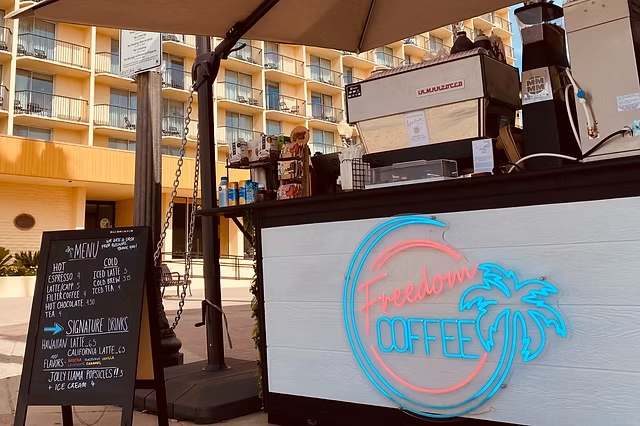
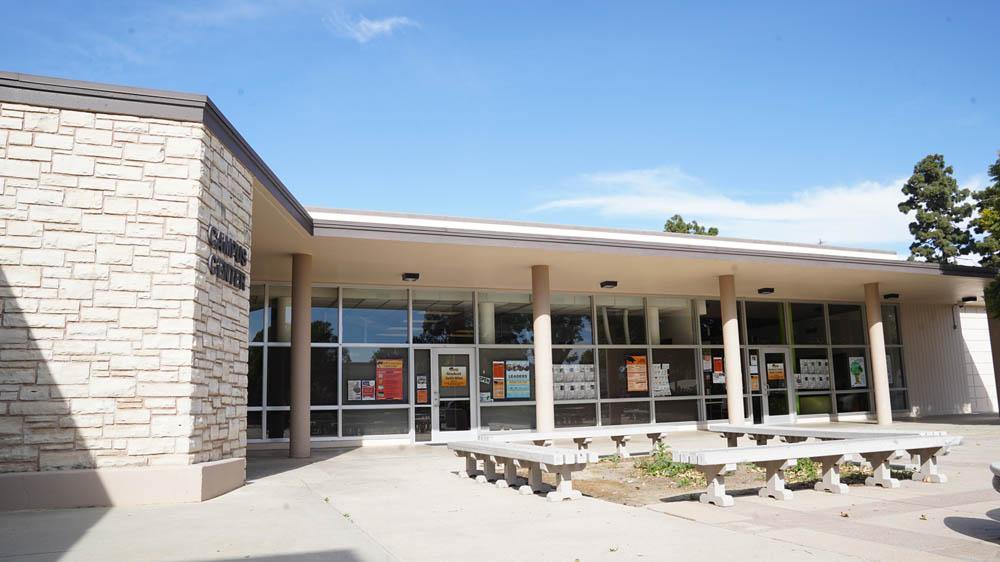
You can try: Any one of our beautiful beaches or walking paths, coffee shops (Daylight and Moon, Freedom Coffee, and Room Service are some of my favorites), places on the VC campus (the library, student center, outdoor benches/quad), local parks or lookout spots (Cemetary park, Arroyo Verde park, Surfers Point).
Having places you can depend on makes planning so much simpler. One student said,
“Something about being out in nature makes it so much easier to open up.”
I couldn’t agree more, and Ventura makes that extremely accessible.
If there’s one takeaway, let it be this: you’re not supposed to go through everything yourself. When things feel hard, or stressful, or completely overwhelming, it feels easy to push people away and deal with your problems alone. But trust me when I say, that won’t solve anything. Building community, especially in the hard times creates relationships to last. Community won’t solve all your problems, but it will help you remember that you’re seen, supported, and not the only one figuring things out. You don’t have to completely uproot your life and change your schedule, or friendships, or habits. You just have to put in a little effort. Text someone. Sit with someone. Invite someone. It might matter more than you think.