
Do you enjoy camping and hiking, well backpacking is a combination of both of these. To start we’d need to begin with collecting our gear for the trails. In this instance, we shall say we are backpacking at the Punch Bowls in Santa Paula.
1. Backpacks
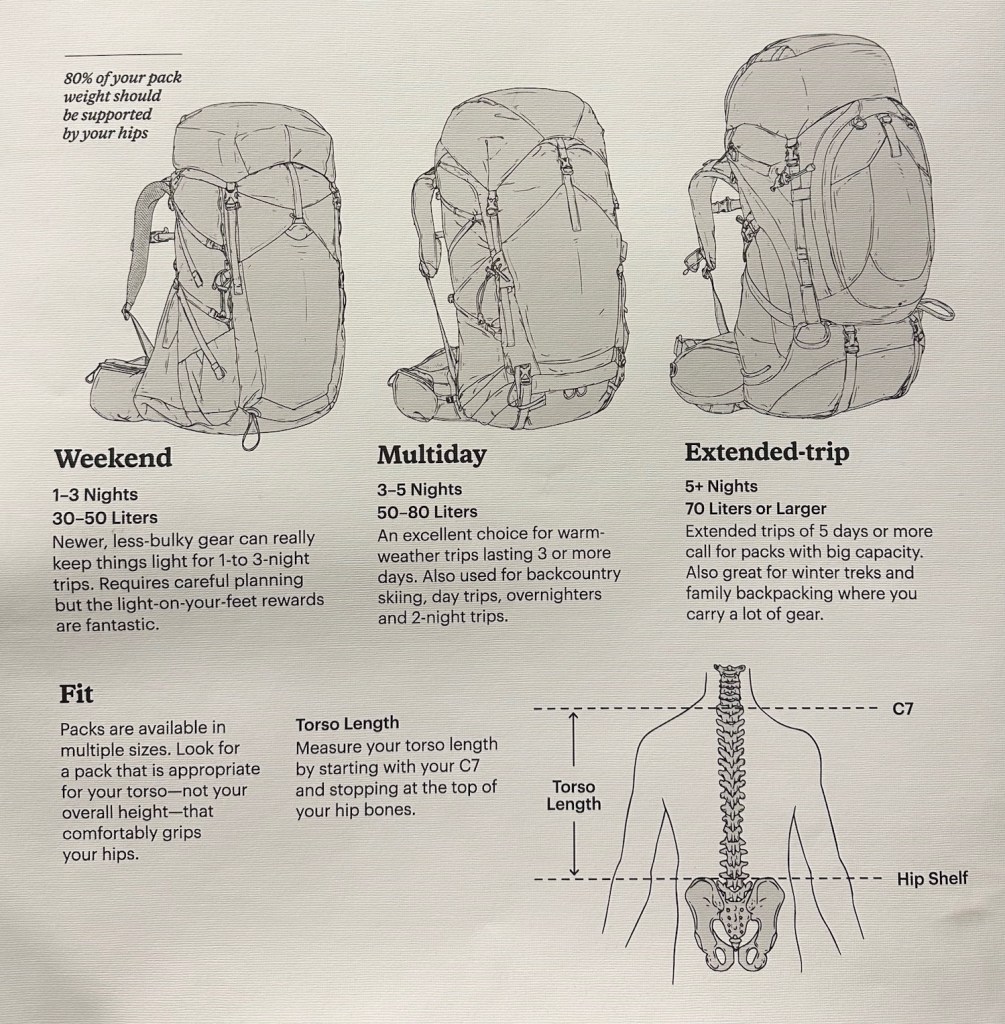
We will have to start off purchasing our pack before we start buying anything since this will be where you put all the gear you need. It’s important to have a backpack that feels comfortable for you. This means all the weight from the pack should be put on your hips. You can always go to a store where you can get fitted for a pack by someone who has backpacked before. A weekend pack will be ideal for a starter pack.
2. Backpacking Tents
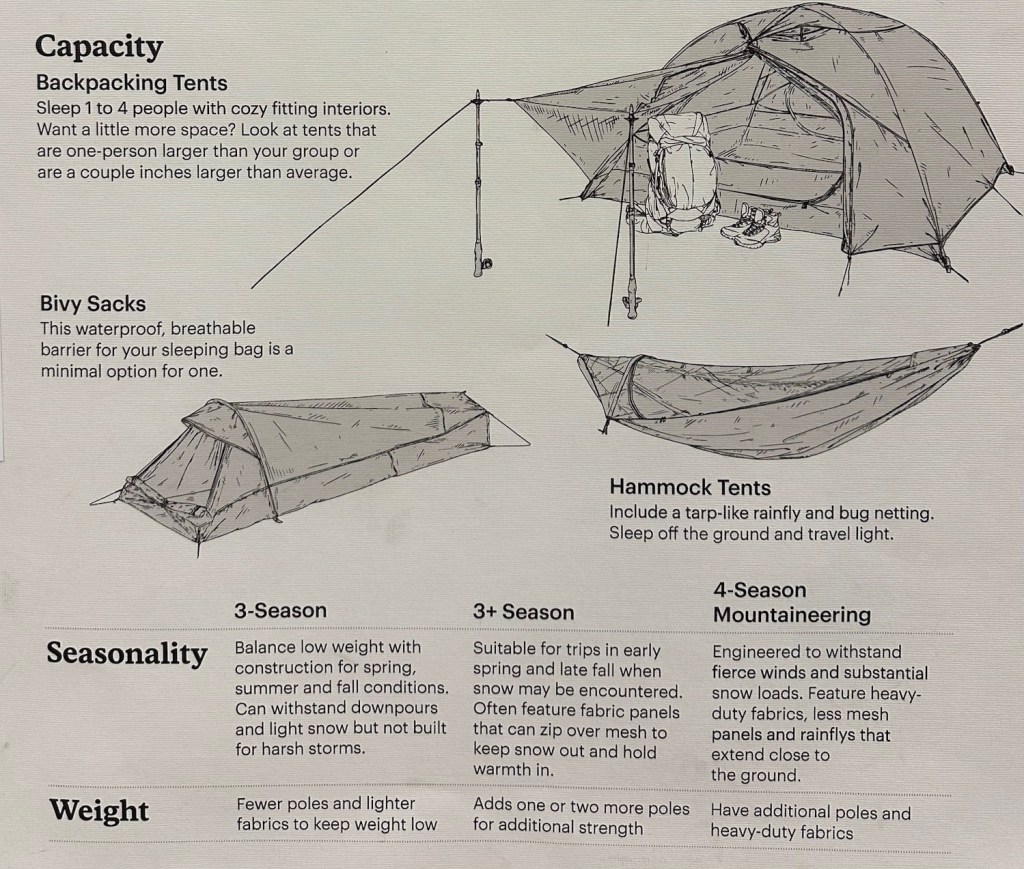
Now we need to look for shelter these tents aren’t the tents you typically use when camping these are going to be lighter. These tents are intended to be lighter because we will have to carry our tent in our pack. Typically the lighter the tent the more expensive they will be. You can also do a two-person tent with your friend or significant other if you are trying to split the costs. There’s a variation of tent brands from Nemo to REI, MSR and more.
3. Sleeping Pads

Sleeping Pads are needed to keeping you above ground to sleep comfortably and not constantly cold from your body trying to absorb the cold ground. There are different lengths and widths to buy from which depends on how tall you are. They have the mummy shape, I have and bought it from the resupply from REI. You also don’t want to forget to buy a pillow so you can sleep comfortably.
4. Sleeping Bags

Sleeping bags have two different types of insulations synthetic being affordable but also heavy and bulky since they won’t compress done as small as down will. Down sleeping bags are made from goose feathers, very lightweight, compressible and will be on the pricier side. There are four different shapes to choose from mummy, semi-rectangular, rectangular, and quilt. It’s all preferences to how you want to sleep because a quilt will feel like sleeping with a blanket. As for a mummy sleeping bag, you might feel restricted especially if you are a crazy sleeper. Temperature wise getting a three-season sleeping bag would be ideal.
5. Water Filters
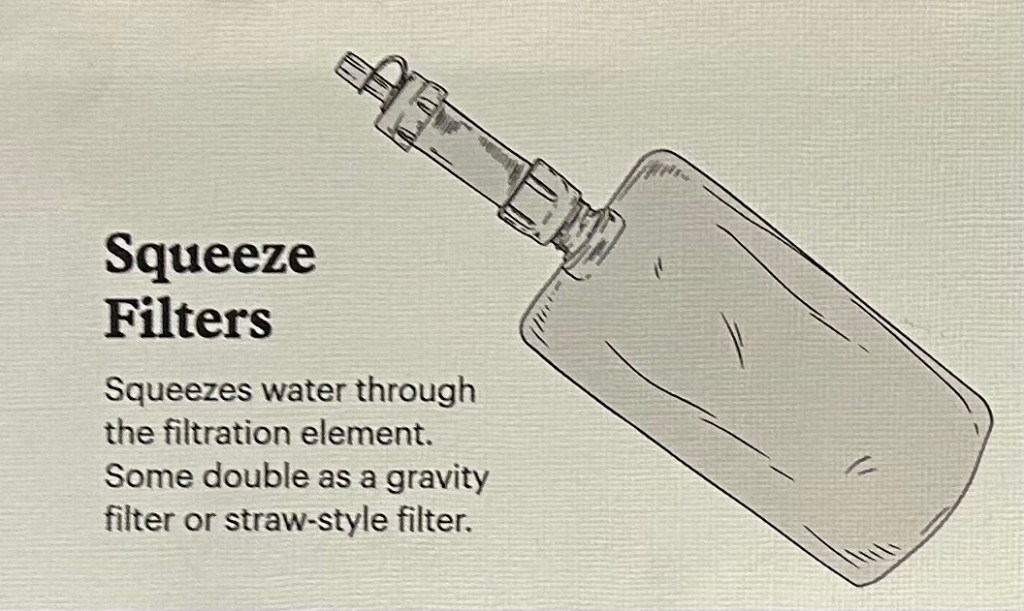
Having a water filter is ideal, especially when you are near water streams. Having a squeeze filter is practical at least for me because I can use the bag they give for my dirty water. Then squeezing the the clean water into my Nalgene. There are different types of of filters like bottle filters, purifiers, straw-style filters and squeeze filters.
6. Chairs

A backpacking chair is ideal for being comfortable when sitting down near the campfire. You can also use a stump or a rock but you might not find one near your campsite you can use. Backpacking chairs have different varieties of materials to choose from the lighter they are the more expensive they will be. Having lighter gear will only make it easier on you but will also me you can pack more in your backpack as well.
7. Camping Cooksets

It’s essential to have a spoon or spork with you which makes it easier to eat your dry food. There are different types of materials that cook sets are made from that are lighter from each other. This is typically what you use on your backpacking stove.
8. Backpacking Stove

Backpacking stoves are what you are going to need to cook your water for your dry food, and water for your coffee or tea. There’s also different sizing which depends on how big you want them especially if you are going with more people or if you are going solo, something smaller would be ideal. You’ll also need your propane.
9. Insect Repellent 
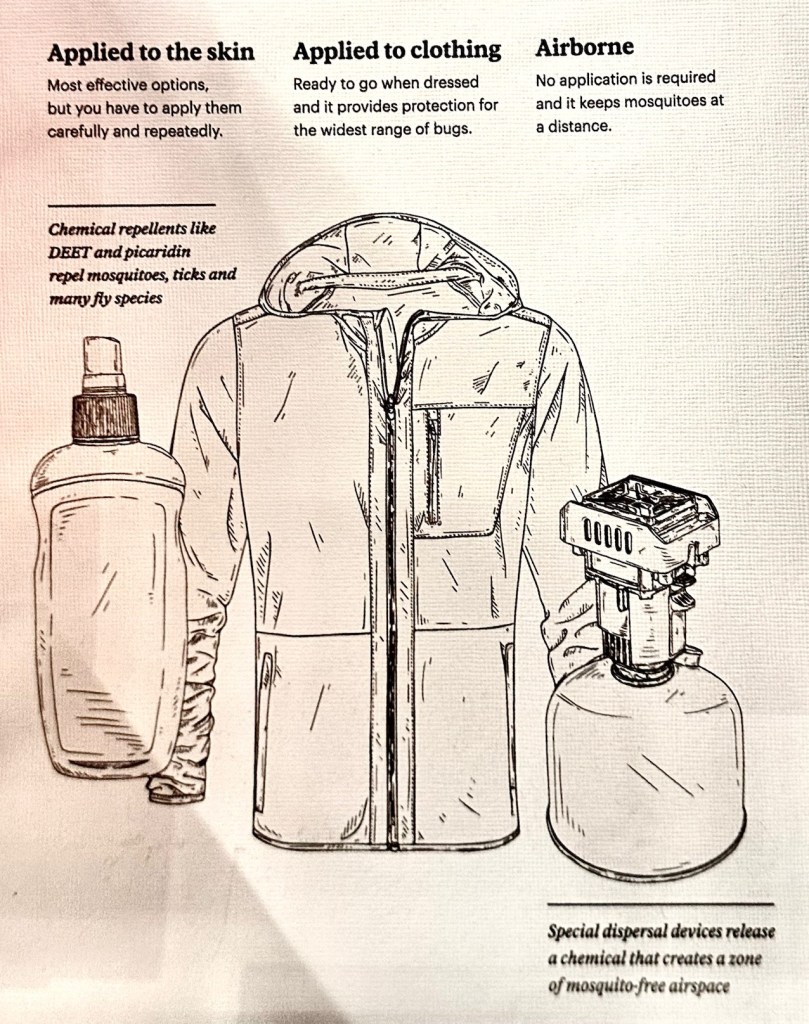
Insect repellent is more important when it’s hot out and the mosquitoes come alive looking for their next victim to attack. There are different forms of insect repellent from the spray to the wash and the lotion. The lotion seems to be the most effective for me.
10. Camp Trowel

Second to last, you will need a poop trowel just in case you need to go in the woods. Make sure to have some handy toilet paper as well as digging a proper hole.
11. Packing Your Pack
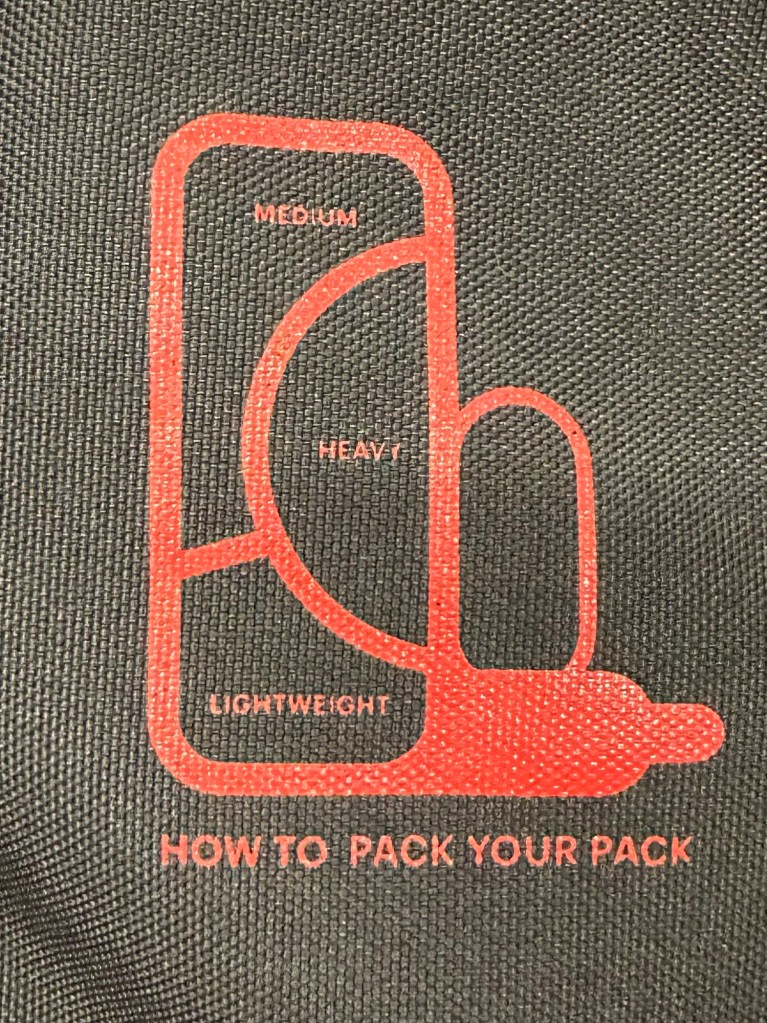
Finally, we have all that we need it’s time to pack your pack, the lightest things will go at the bottom like your pillow, and sleeping bag that should be put into a compression sack and sleeping pad. The heavier things will go in the middle which is closer to your body like a tent, backpacking stove, or cook set. The top can be filled with any things left over, like your dry food, base layers, first aid kit, headlamp, portable charger, hygiene items (toothbrush and deodorant), snacks that can be put in dry sacks with your water filter and your poop trowel should be in a Ziploc bag. On the outside side pockets, you’d want to put your poles for your tent and your Nalgene’s.
Are you planning to go backpacking or have you done so already? Let us know what your backpacking essentials are, as well as any tips and tricks for backpacking, in the comments section.

 VC Social