
Film is, in my opinion, one of the most captivating forms of media that incorporates the best elements of artistic expression. Storytelling, music, cinematography, editing, screenwriting, and more all come together to create a unique experience that resonates with people. Cinema stands out from other art forms by expressing vivid emotions in various ways, whether it is through intense dialogue or manipulating the way a frame is shot to invoke a certain feeling or effect. A movie may mean something different to each viewer, but there is always an effect left on them due to the medium’s profound and prolific nature.
In recent years, I believe that there has been a resurgence of interest regarding independent film studios, for example, A24 films, for distributing films that no major studio would approve of. Independent films are important to the film industry because they offer unique artistic expressions, diverse perspectives, and often challenge the status quo by pushing the boundaries of cinematic storytelling. In this space, filmmakers are able to tell stories outside of the commercial pressures of mainstream media that prioritize profit and an all-star cast, seemingly, above all else. However, independent films remove themselves from these expectations and revel in creative freedom and innovation through bold themes, visual styles, controversial subjects, unconventional storytelling methods, experimental editing, and more. Without further ado, here are 4 independent films that I thoroughly enjoy and believe are worth watching if you are looking to expand your film taste or repertoire!
- Girlfriends (1978)



Synopsis
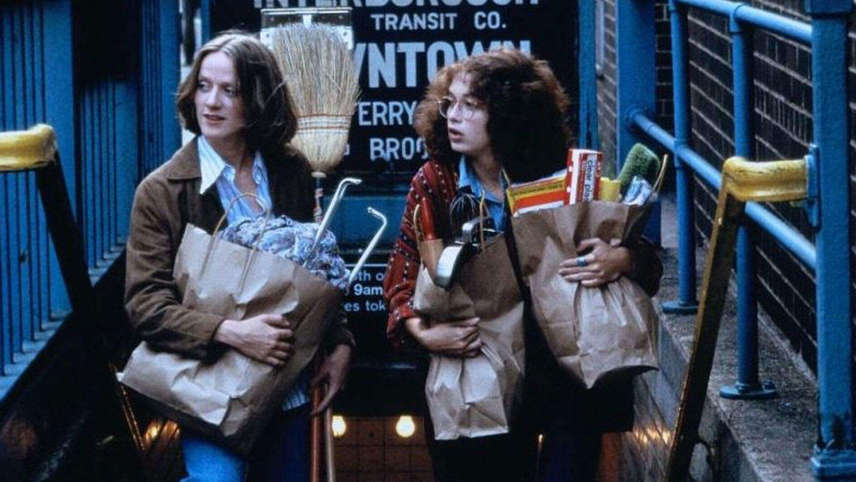
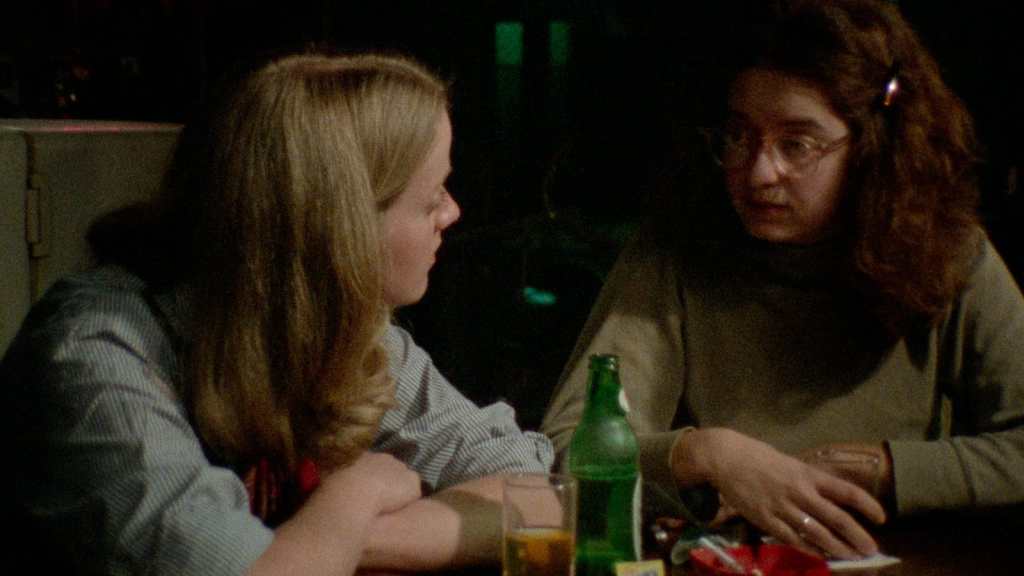
Girlfriends was directed by Claudia Weill and released in 1978. It follows the story of a photographer, Susan, who is struggling within her career. When her roommate and best friend Anne abruptly decides to move out and get married, she feels hurt and must learn to live independently. Throughout the film, both Anne and Susan dream of success in their respective careers and search for their own sense of purpose or identity.
Review
I absolutely adored this film from start to finish and did not want it to end. The characters were authentic, as if I was watching real lives unfolding through platonic and romantic relationships. The plot centers around women’s friendships as well as navigating their independent lives once Anne moves out and gets married. Almost all of the characters are female, which I found refreshing and different from other older films I have seen in the past. Although, it is vital to note that romantic relationships are the background, not the focal point. In Girlfriends, Weill’s portrayal of female friendships is deep, intimate, and warm. The film was created during the women’s liberation movement which is evident in some of the content in the film. For instance, Susan struggles with getting magazine editors to even look at her portfolio despite selling them three photos and is often dismissed by galleries. The implication is that women may have not been taken seriously, which is evident in many aspects of work. Even in the film world, it can be hard for people to even name 10 notable female directors in comparison to men. Weill differs from other filmmakers due to her unique perspective about women and her naturalistic, observational style of filmmaking. The audience is left to observe Susan and Anne’s lives unfold innately. Weill has a background in creating documentaries and it shows in her gift of highlighting the subtleties of people. As a result, there is a direct emotional connection from the screen to the viewer. Through emphasizing real-life scenarios and conversation, characters truly feel authentic. The audience is able to understand a character’s inner thoughts through composition alone.
Themes & Takeaways
The key themes in Girlfriends are female friendships, navigating independence, and second-wave feminism within the 1970s. Girlfriends depicts an authentic portrayal of female friendship by highlighting the complexities of Susan and Anne’s relationship including envy, admiration, and how each other’s life decisions impact their bond. It offers a glimpse into the lives of two women navigating their respective careers and relationships during a period of significant social change. The viewer is able to reflect on the choices women make in their lives whether it be career aspirations, marriage, or, controversially, abortion. I believe this film is worth watching for the utter realism of its characters, its social commentary on gender roles, and a naturalistic cinematography style that creates an emotionally resonant and thought-provoking film.
2. Stranger than Paradise (1984)


Synopsis
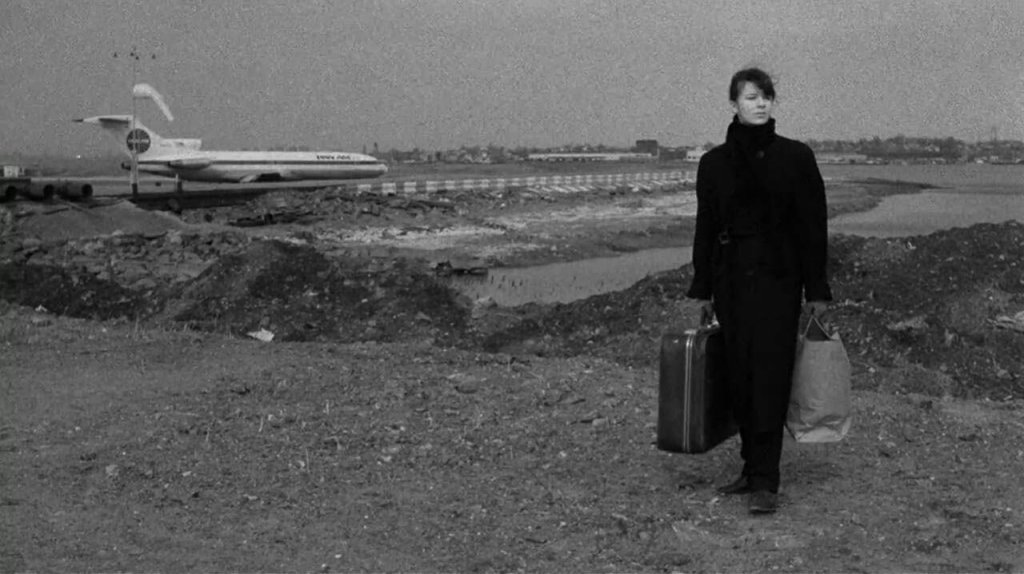
Stranger Than Paradise was directed by Jim Jarmusch and released in 1984. The story consists of an idler New Yorker, Willie, and his befuddled sidekick, Eddie, who each get by on TV dinners and beer financed by betting on horse races or card-sharking. Once Willie gets an unwelcome visit from his Hungarian cousin, Eva, they decide to take a road trip searching for fortune and paradise in Florida as a means to alleviate their constant boredom.
Review
I thought this film was funny and I enjoyed the grainy black and white values present in the 35mm film. The humor in this film is deadpan and the characters feel incredibly natural. On the surface, this reads as a typical American road trip film, except it includes an immigrant’s experience. Stranger than Paradise demonstrates what it is like coming to a new place in a unique way that is central to the film’s themes. For a majority of the film, Willie, Eddie, and Eva search for ways to diminish their boredom. There is little to no plot in the film, as it relies on its quirky characters and dialogue to propel the narrative. The minimalist approach allows the viewer to focus on the sparse dialogue, creating a sense of intimacy between the characters. The audience can thoroughly engage with the characters’ mundane lives in an understated manner that feels realistic and unexpectedly captivating; their interactions between each other are the heart of the film. Apart from character interactions, I enjoyed the contrast between Willie and Eva in regards to their cultural identity. Willie seems to want nothing to do with his Hungarian heritage and slowly teaches Eva what it means to be American from his perspective: watching football, TV dinners, and gambling. Eva is put off by his lifestyle, but makes an attempt to assimilate into American culture through her love of blues music and working at a hot dog stand. The film begs the question, what does it mean to be American? Is Willie more American by dismantling himself from his own culture or is it Eva, who embraces her ethnicity in new landscapes while simultaneously attempting to embrace American culture? In the latter end of the film, Willie begins to have a change of heart in regards to his Hungarian heritage as Eva remains unimpressed by America. Overall, Stranger than Paradise is beautifully shot and has a comedic, rewatchable, and minimalistic charm.
Themes & Takeaways
A few key themes present in Stranger than Paradise are isolation, boredom, and the search for meaning amidst a mundane existence. It examines cultural differences between American and Hungarian lifestyles and contains commentary about the struggles of adaptation or assimilation into a different culture. The compositions of the scenes makes the viewer feel like they are in the room with them, equally as bored as the characters. It captures the reality of how most people’s lives are, filled with mundane tasks and little action despite craving more. Eva, Willie, and Eddie are in the pursuit of a perfect life, but the film communicates that even in idyllic environments or the allure of material items, disillusionment and boredom prevails. Their journey on the road suggests a longing for connection, purpose, and a sense of belonging. I believe that this film is worth watching for its cinematography, unique characters, deadpan humor, and its commentary on the American Dream and cultural identity.
3. Wanda (1970)


Synopsis
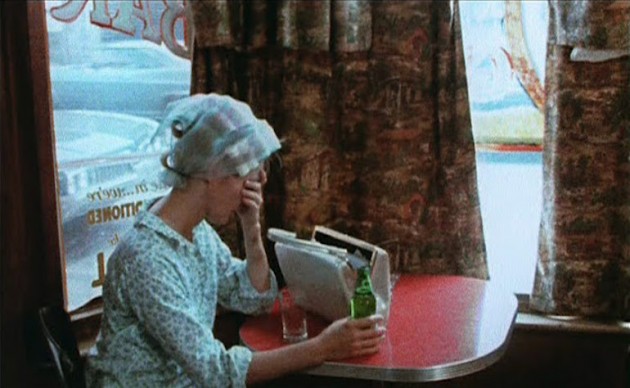
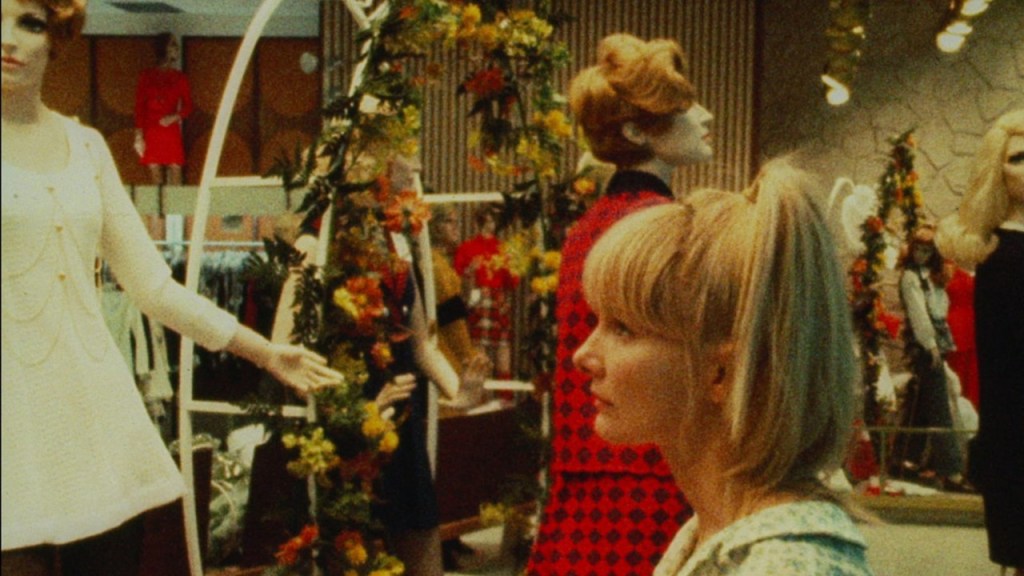
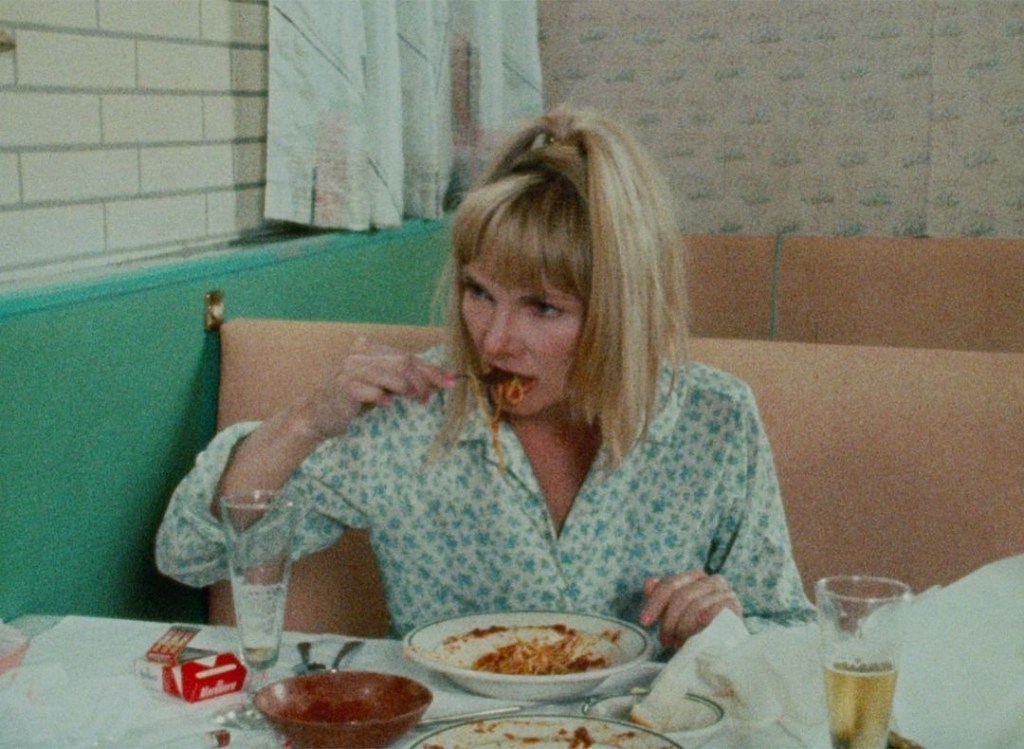
Wanda was directed by Barbara Loden and released in 1970. It follows the story of a directionless woman, Wanda, who wanders from jobs, bars, motels, and men. Wanda is an aging beauty who lacks a sense of identity and eventually meets a crude criminal, Norman, who takes her under his wing on a dangerous, vast road leading to nowhere.
Review
I found this film to be heartbreaking, gruesome, and a realistic portrayal of oppression towards women as well as the devastating realities of a poverty-stricken existence. Wanda was a gritty and bleak film that made me reflect and share my compassion for the flawed being. Throughout the film, we witness Wanda adrift and unable to find her rightful place in society. At the beginning of the film, she willfully gives up the custody to her children and consents to divorcing her husband all while being late to court; even showing up in hair rollers. Her constant disarray highlights the limited options and opportunities available to women in need in a working-class society. Disengaged and jaded, Wanda easily wanders to heavy drinking and sex to pass time. Sex is not glamorized, rather, it serves as a symbol in regards to Wanda’s lack of identity or purpose in life. Men often sense her vulnerability and take advantage of her through sex because women who feel lost in life are often subject to manipulation. Instead of focusing on her own wellbeing, she revels in the cheap gratification of pleasing men who do not respect her. In her own nativity, Wanda succumbs to Norman’s orders and endures his harassment due to her inability to go, or do, anything else. She is marginalized sexually and economically which further accentuates the limited options available to women in accordance to a patriarchal society. Furthermore, violence is used in the film to reinforce the power imbalance of men and women. From a technical standpoint, this film also had beautiful cinematography that took a cinema verite approach, which makes sense as the film was semi-autobiographical in reference to Loden’s tumultuous marriage with Elia Kazan.
Themes & Takeaways
A few themes explored in this film are female alienation, social class, and the struggles of a woman within a patriarchal society. The film highlights the limited opportunities and societal expectations placed upon women during the 1970s through Wanda’s detachment from her surroundings and her inability to articulate her own desires. Wanda modifies and rethinks the road film genre it belongs to by subverting expectations and perception of a film centered around the personal narrative of a woman. The protagonist of a film is often glamorous or seeking self-discovery. In Wanda, however, we see a woman struggling with a difficult reality. I believe that this film is worth watching for its unique character study, unconventional storytelling methods, cinema verite cinematography, and feminist themes that refuse to romanticize or sensationalize Wanda’s circumstances, which makes it a powerful watch.
4. Paris, Texas (1984)



Synopsis
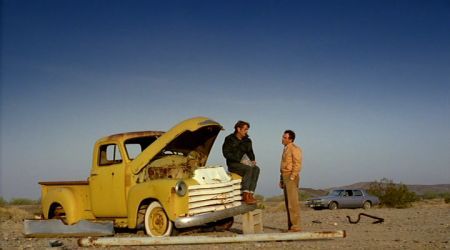
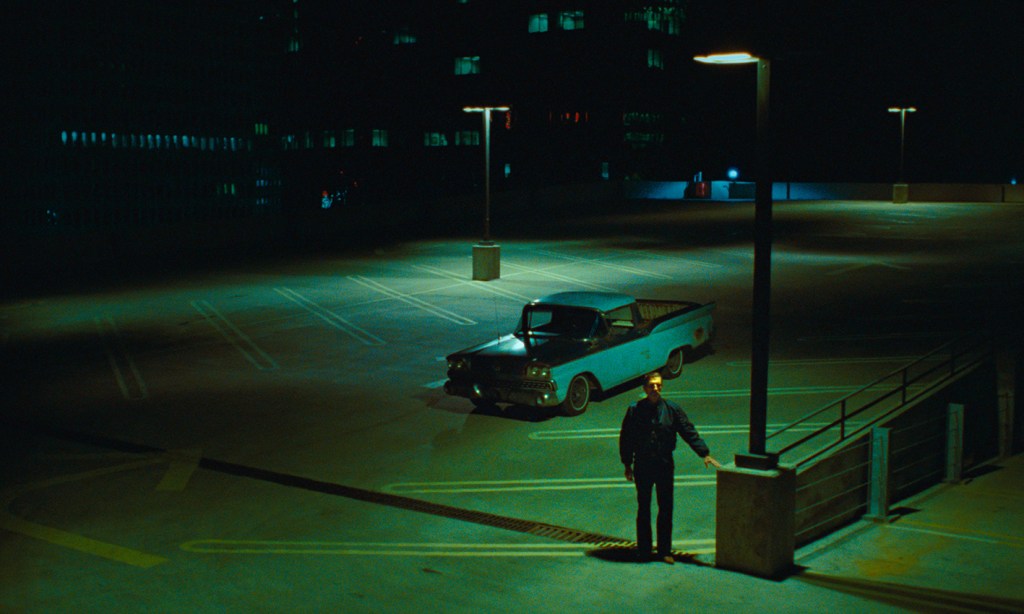
Paris, Texas was directed by Wim Wenders and released in 1984. It tells the story of a disheveled man, Travis, who wanders the desert and has been absent for 4 years before a call from a stranger summons his brother, Walt, to pick him up. Travis cannot recall who he is nor his life prior to drifting. His sudden presence unsettles Walt and his family, who have been raising his son, Hunter, who takes some time getting acquainted with his biological father. On a mission to confront his estranged wife, Travis must reconnect with society, his life, family, and most importantly himself.
Review
Despite not yet having experienced the nuances of family and marriage, this film left a lasting impression on me and fights for a spot among my favorites of all time. After I first watched this film, I thought about the characters and their fate periodically, as if they were truly real. In particular, the second half of the film absolutely broke me due to its ability to express complex emotions that I cannot begin to articulate. Unashamedly, I cried like a baby and it may just get you to shed a tear too. As Travis wanders through the desert, he searches for an escape from his problems. However, no matter where he goes, the one constant is himself. Internal conflicts reside inside of us, so there is no use in Travis constantly running from them. The film is slow, moody, and unravels itself brilliantly by placing the viewer in Travis’s shoes as a means to remember and face his past alongside him. It presents all the extremities of love, pain, and loss that stems from reunion with relentless candor. Throughout the film, due to Travis’s amnesia, there is a lot of mystery that unfolds organically, which I do not want to spoil. Although the storyline is relatively simplistic, the film remains fascinating due to the film’s momentum, emotional exploration within the context of love or family, and constant unknowns that are not revealed until the latter half of the film when Travis reunites with his wife Jane. We witness Travis trying to restore his relationship with his son and set out on a journey of retribution to rebuild the family he fractured. The desolate scenery and haunting slide guitar soundtrack by Ry Cooder aids in building a picture of the characters and their stories. For instance, the open road is traditionally seen as boundless freedom or promise of a new beginning, but as Travis travels the American west, the miles become an incessant confrontation of his past failures and isolation he has created for himself. Paris, Texas is a unique, character-driven film that illustrates the damaging effects of what passion can bring out in people and how that inherently affects loved ones. The viewer is able to witness the remorse and nostalgia felt by two people, Jane and Travis, who will always have a strong connection for a love lost but not forgotten.
Themes & Takeaways
Major themes in Paris, Texas include love, fatherhood, loss, redemption, and the search for identity in a vast, unforgiving world. Wim Wenders powerfully utilizes the visuals in this film to convey ideas about these themes. Notably, his use of the colors red, white, and blue throughout to illustrate ideologies such as the American Dream, which Travis helplessly loses grasp of once he abandons his family. However, the true highlight of the film is its climax in the third act, where Jane and Travis finally reconnect, so I encourage you to be patient and savor this film for all it has to offer. I believe this film is worth watching for its stunning cinematography, creative use of color as symbolism, naturalistic acting performances, and profound emotional depth that will stick with the viewer long after watching.
 VC Social